


Fiji Strengthens Bilateral Relations with the Maldives
29/07/2026
Trade Development Committee (TDC) Meeting Discusses Outcomes of Trade Engagements in New Zealand and Advancement of Fiji’s Trade Priorities
29/07/2026Published On: 29/07/2026
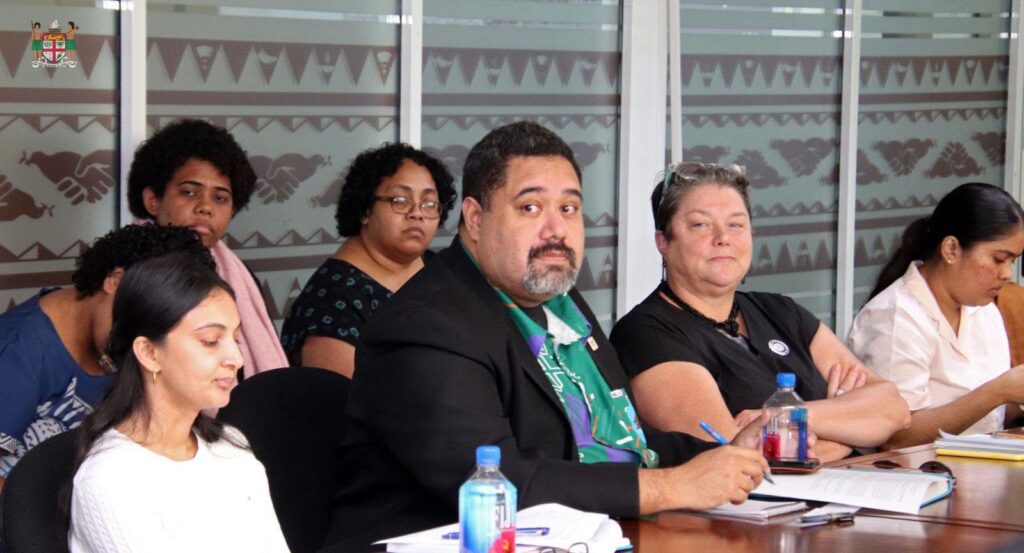
The Ministry of Foreign Affairs and External Trade hosted national consultations throughout the week of 20 July 2026 for the Pacific Trade and Environment Sustainability Scoping Study, a regional initiative endorsed by Forum Trade Ministers in October 2023 to advance a Trade and Environment Sustainability Agenda for the Pacific.
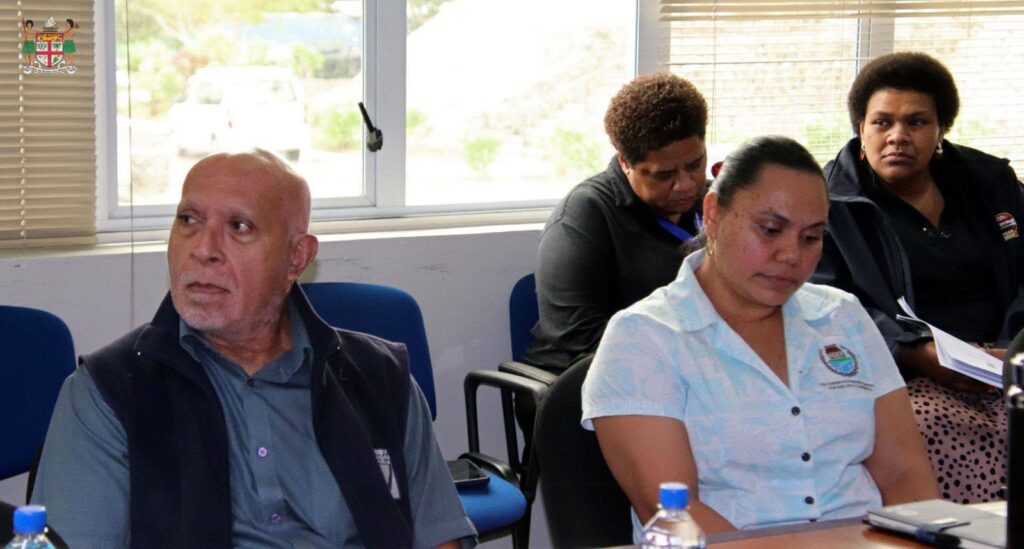
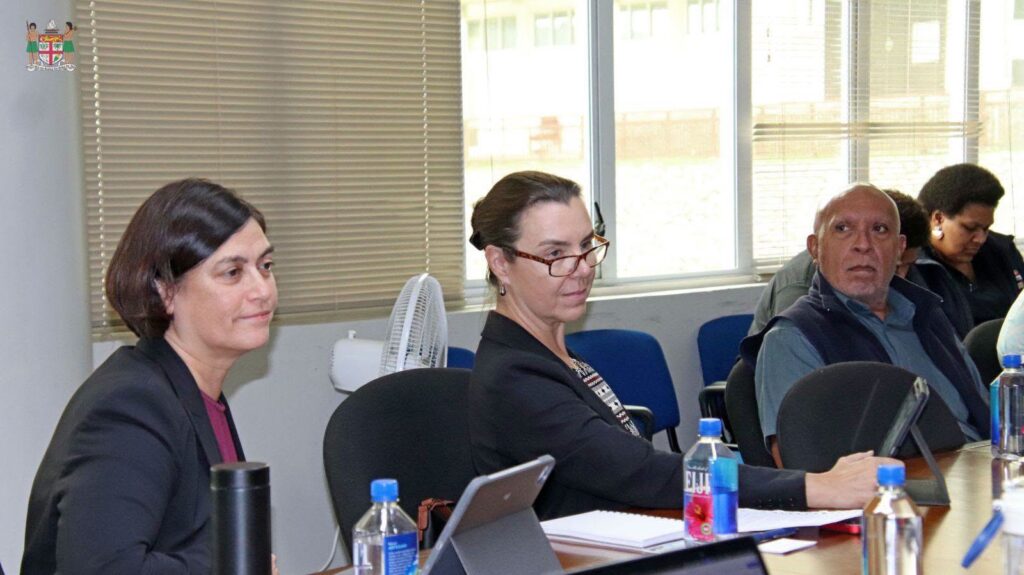
The consultations included targeted stakeholder discussions throughout the week, culminating in a national multi-stakeholder consultation on 23 July 2026. The Study aims to identify policy recommendations that support sustainable economic growth, environmental protection, and continued access to international markets for Pacific Island countries.
The consultation brought together representatives from government ministries, statutory bodies, the private sector, and civil society organisations, reflecting the cross-cutting nature of trade and environmental issues. Discussions focused on how trade policy can support responses to climate change, biodiversity loss, waste management, and the sustainable use of natural resources.
A key area of discussion was the increasing introduction of environmental requirements in international markets and their implications for Pacific exporters and importers. Participants highlighted challenges associated with meeting new requirements, including sustainability certification, traceability, environmental due diligence, carbon reporting, product standards, and packaging and labelling obligations.
The importance of supporting Pacific businesses to adapt to these evolving requirements while ensuring that environmental measures do not create unnecessary barriers to trade was emphasised.
Participants also highlighted the need for approaches that reflect the unique circumstances of Pacific Island countries, including their small and geographically dispersed economies, limited capacity, and indigenous knowledge systems.
Discussions further explored opportunities in key sectors such as fisheries, agriculture, aviation, renewable energy, and waste management, including the need for greater access to financing, technical assistance, and capacity-building support.
Participants also emphasised the importance of strengthening environmental awareness and education from an early age to encourage sustainable practices across communities.
The findings from Fiji’s consultations will contribute to the regional Scoping Study, which will develop practical policy recommendations to strengthen Pacific Island countries’ engagement in trade and environment discussions, including at the World Trade Organization, and support the development of a regional Trade and Environment Sustainability Agenda.