


COP31| Fiji Reaffirms Commitment to Ensuring no one is Left Behind in Global Early Warning Systems
13/11/2026
Fiji Reaffirms Commitment to Pacific-LED Climate Resilience Through US$10 Million Pledge
17/11/2026Published On: 16/11/2026
Fiji has called for stronger regional cooperation and sustained investment in inclusive social development, highlighting its national efforts to address poverty, strengthen social protection and respond to the challenges and opportunities of an ageing population.
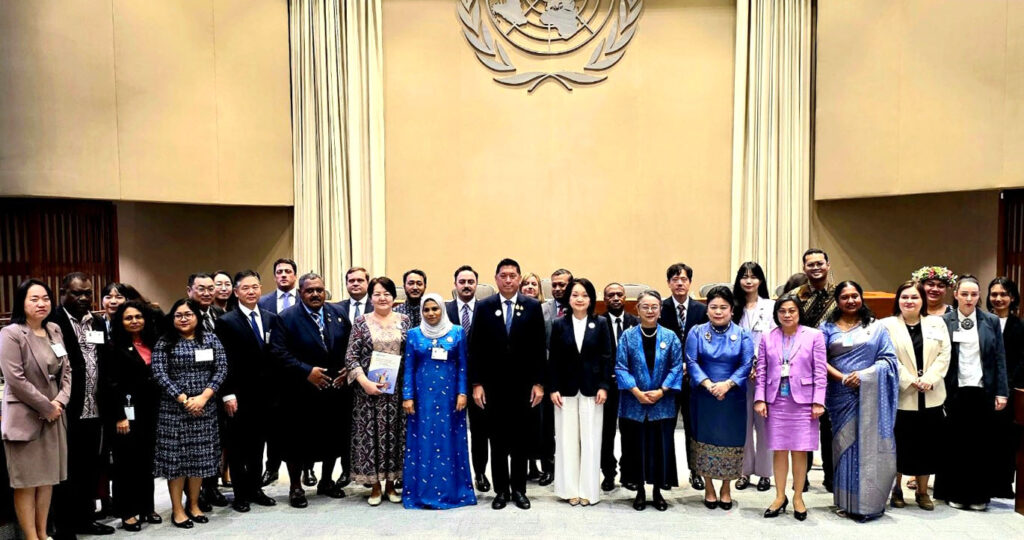
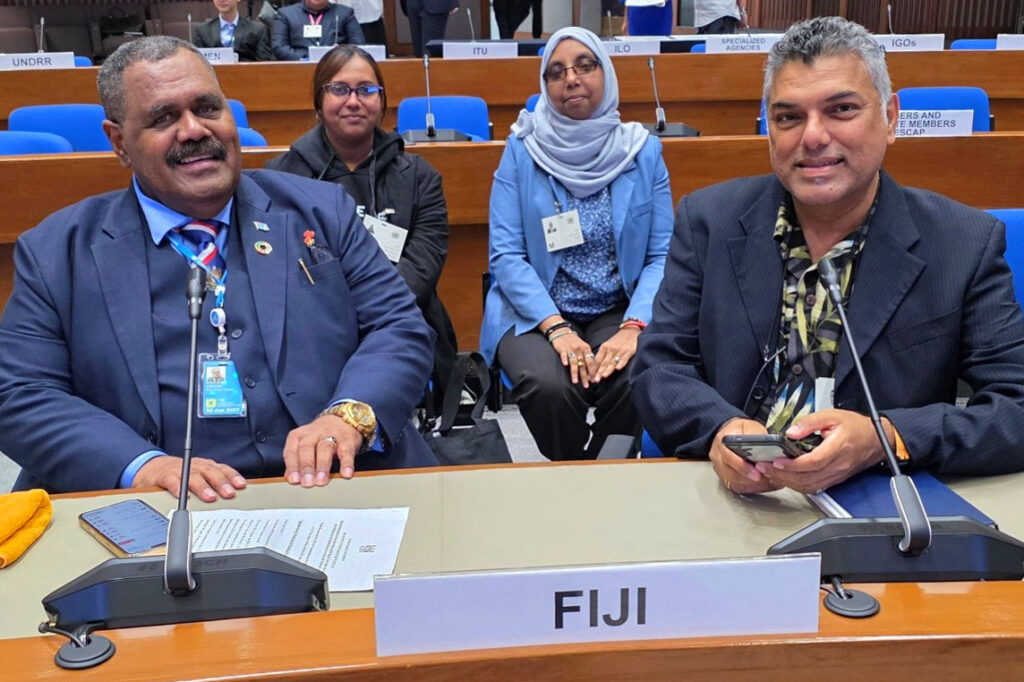
The call was made during Fiji’s participation at the Ninth Session of the United Nations Economic and Social Commission for Asia and the Pacific (ESCAP) Committee on Social Development, held from 11 to 13 November 2026 in Bangkok, Thailand.
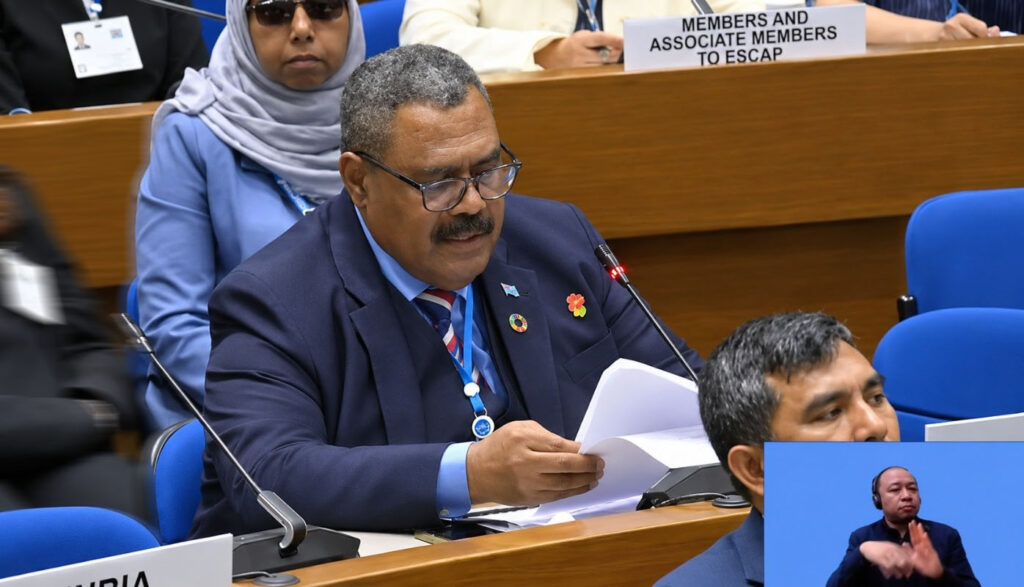
Addressing the Committee, Fiji’s Permanent Representative to UNESCAP, H.E. Etueni Qiolele Caucau, reaffirmed Fiji’s commitment to the 2030 Agenda for Sustainable Development, noting that approximately 24.11 per cent of Fiji’s population lives below the Basic Needs Poverty Line. He highlighted that poverty remains a key development challenge, further compounded by climate vulnerability, geographical isolation, unequal access to essential services and limited economic opportunities.
Recognising the need for a coordinated and sustained response to these challenges, Fiji highlighted the recent launch of its 10-year Fiji Poverty Alleviation Strategy Framework 2026–2035, which provides a national framework to address the underlying causes of poverty, reduce inequalities and improve the wellbeing of all Fijians.
Fiji also emphasised the importance of strengthening social protection systems so they can respond not only to ongoing needs, but also to the increasing frequency and intensity of climate-related disasters, economic shocks and other emergencies. Fiji’s comprehensive social protection system supports women, children, vulnerable families, older persons and persons with disabilities through six core social assistance programmes funded through Government allocations.
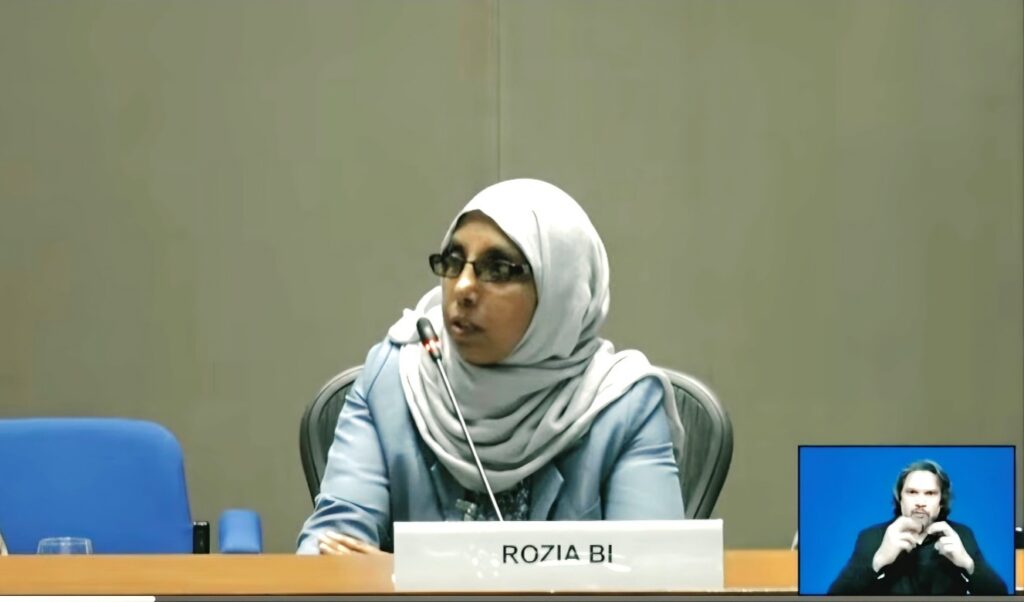
During the Committee’s discussions on strengthening inclusive and comprehensive social protection systems, Ms Rozia Bi, National Coordinator for Social Protection Reforms at the Ministry of Women, Children, Social Protection and Cohesion, highlighted Fiji’s efforts to move towards an adaptive approach. She outlined how the Adaptive Social Protection Strategy and Implementation Plan 2024–2029 strengthens the links between social protection, disaster risk management, climate adaptation and livelihood resilience, with a focus on anticipating risks and helping households and communities prepare for, cope with and recover from shocks.
Ms Bi shared examples of how existing social protection mechanisms can be adapted during crises, including temporary cash top-ups for social welfare beneficiaries affected by cyclone-related emergencies and, over a three-month period, support to vulnerable households facing rising fuel prices and cost-of-living pressures. Fiji is also exploring complementary financial protection mechanisms, including climate risk insurance linked to social protection. Through collaboration between the Ministry, the United Nations Development Programme (UNDP), UN Capital Development Fund (UNCDF) and the Reserve Bank of Fiji, this insurance provides an additional layer of protection, with parametric payouts able to be triggered when predefined climate conditions are met.
Fiji is also advancing its social protection reform agenda, including the development of an Integrated Social Protection Management Information System to improve the identification of vulnerable households and enable faster, better-targeted assistance during emergencies. Ms. Bi underlined the importance of moving beyond fragmented national responses towards a more coordinated regional approach that is collaborative and people centered.
Recognising the growing importance of population ageing, Fiji emphasised the need to value older persons not only as recipients of care and social protection, but also as rights-holders and active contributors to families, communities, the economy and national development.
Fiji is developing its National Ageing Policy 2027–2035, which aims to strengthen social protection and financial security, improve access to healthcare and community-based care, promote inclusion, and safeguard the rights and dignity of older persons.
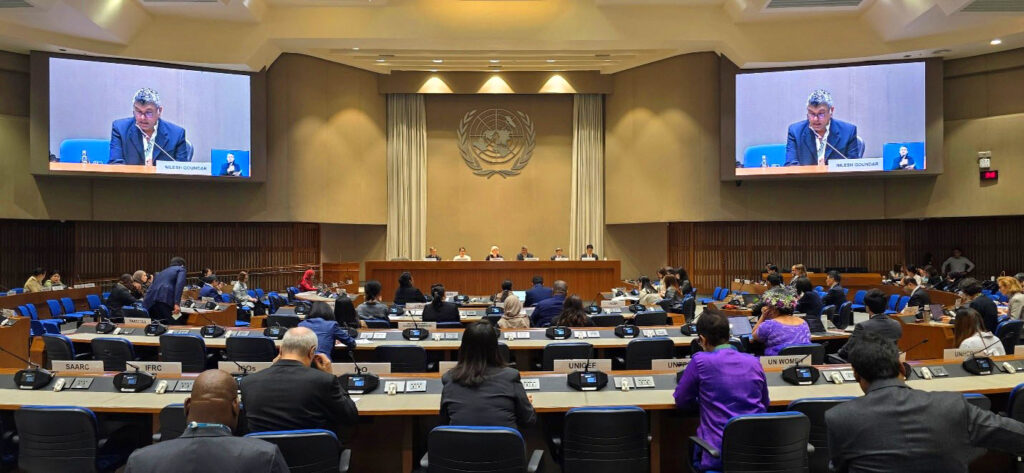
During the Committee’s discussions on active and healthy ageing, Mr Nilesh Goundar, Chief Executive Officer of the National Council for Older Persons, highlighted the importance of strengthening existing institutions, community networks and partnerships to ensure that older persons remain active, valued and connected in society.
Mr Goundar further highlighted the importance of multigenerational engagement and reciprocal learning, creating opportunities for older persons to share their knowledge, skills and lived experiences with younger generations through mentoring, coaching and community education. These exchanges enable generations to learn from one another, strengthen intergenerational solidarity and realise the multigenerational dividend, including building more age-friendly, inclusive and cohesive communities. The experience of one generation becomes the life and leadership capital of the next.
Fiji also expressed support for the proposed establishment of an ESCAP Technical Expert Group on Population Ageing. The proposed group would provide sustained technical guidance, facilitate information exchange and capacity-building, and strengthen continuity in regional efforts, including preparations for the 2027 review of the Madrid International Plan of Action on Ageing.
Across the Committee’s discussions, Fiji emphasised three important priorities for regional attention: strengthening inclusive and shock-responsive social protection systems; investing in human capital and decent employment for all people, ages and capabilities; and strengthening regional cooperation and knowledge-sharing.
Fiji’s participation at the Committee reaffirms its commitment to working with ESCAP and fellow member states and development partners to advance inclusive, resilient and sustainable societies where every person, regardless of their age or circumstance, has the opportunity to live with dignity and participate meaningfully in their society.