


DOI Signing strengthens cooperation between Fiji and Wallis and Futuna
16/11/2025
Pacific Diplomacy Training advances regional foreign service
19/11/2025Published On: 19/11/2025
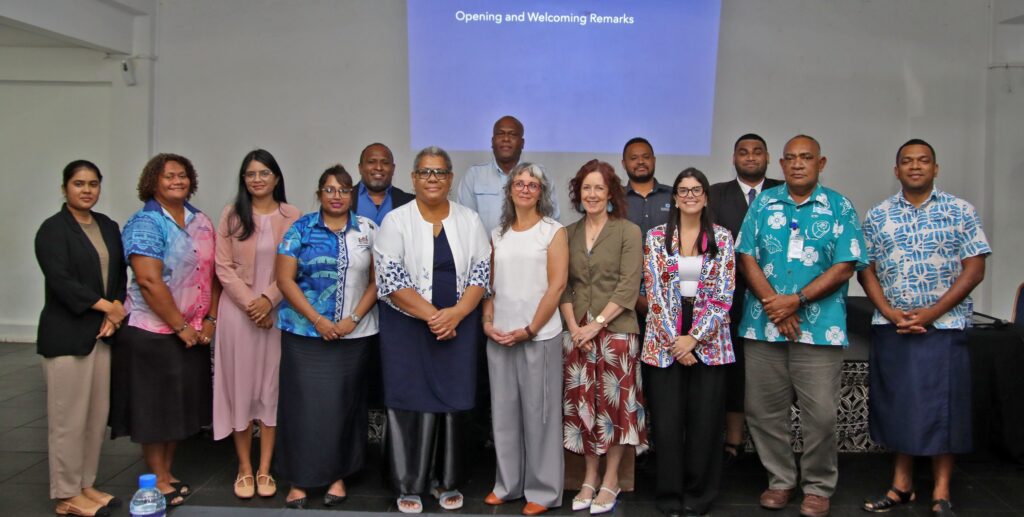
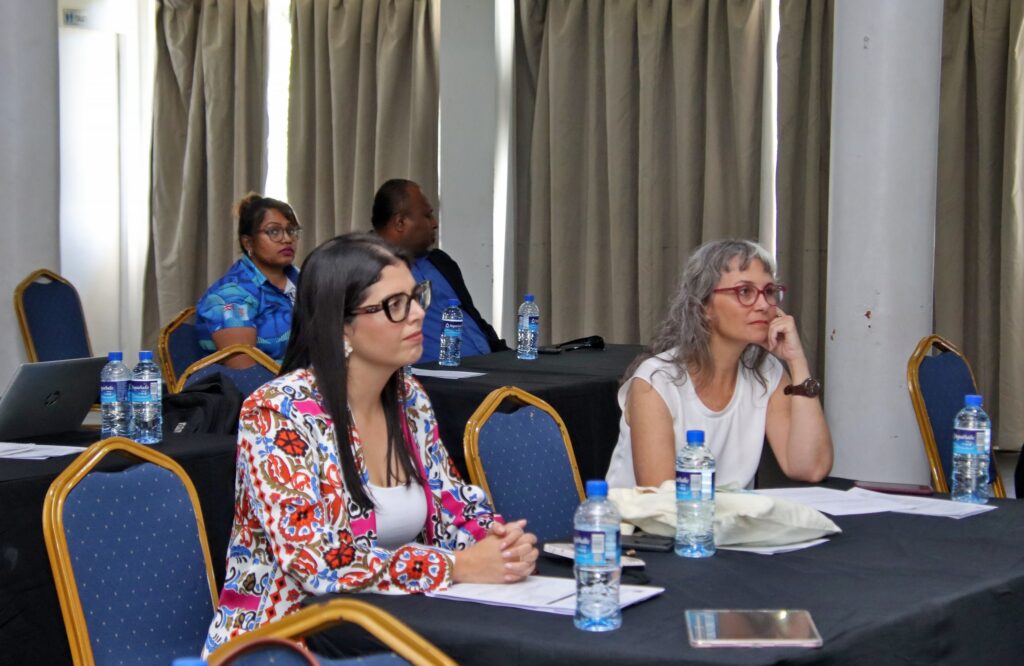
The Ministry of Foreign Affairs and External Trade (MFAET) convened a Validation Workshop to review Fiji’s Gap Analysis Report on the implementation of the World Trade Organization (WTO) Agreement on Fisheries Subsidies.
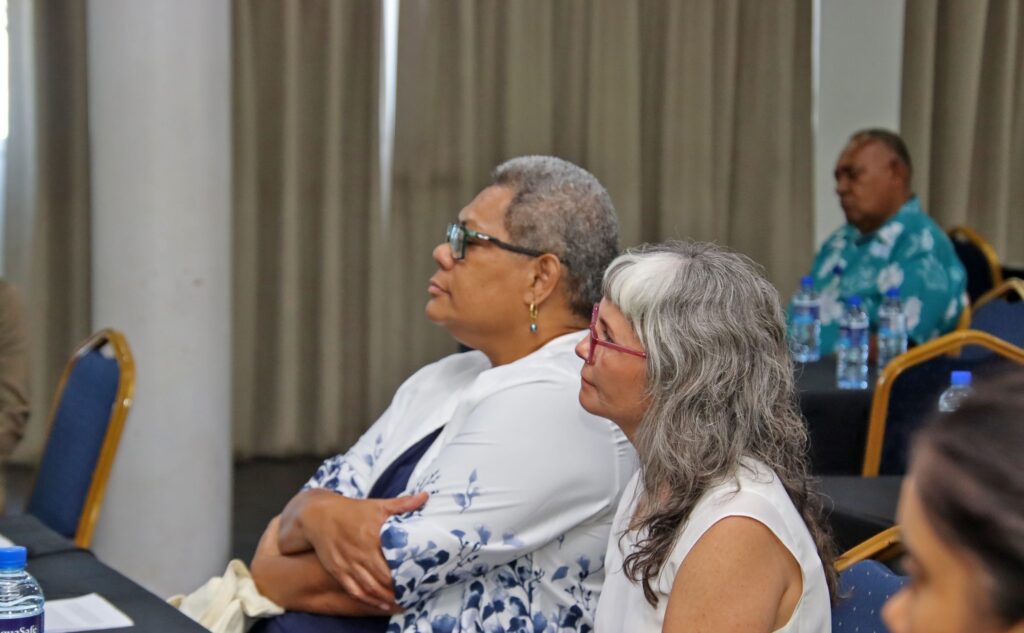
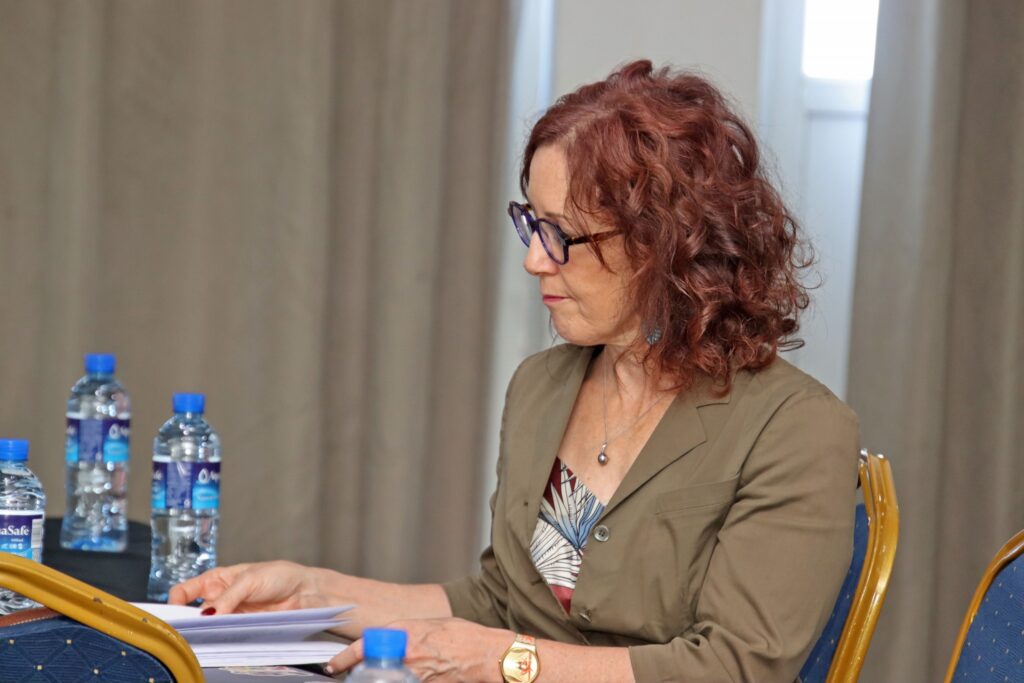
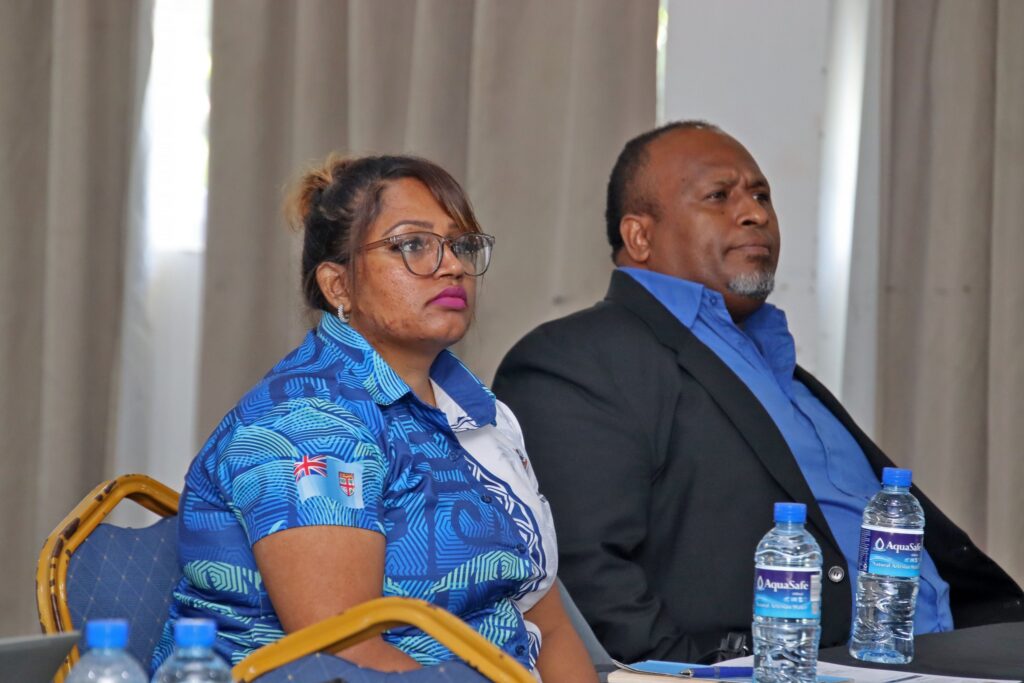
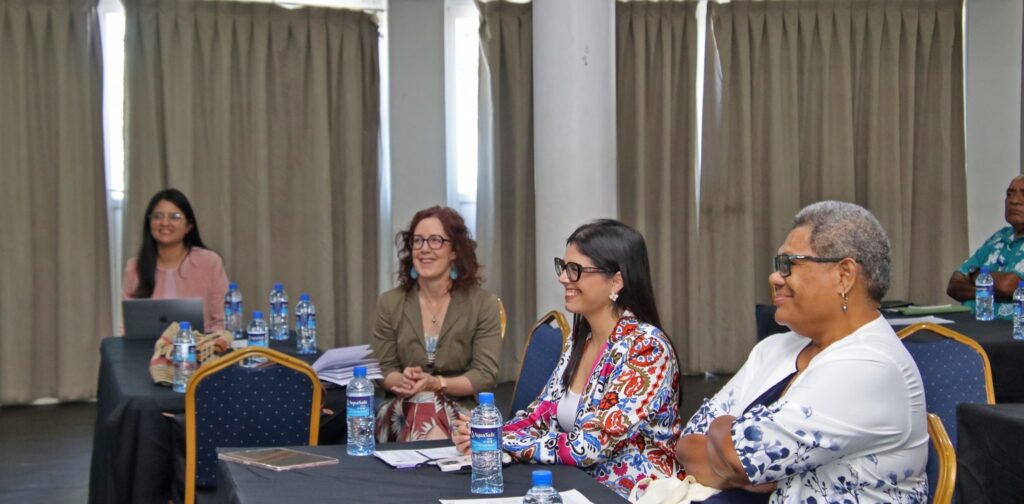
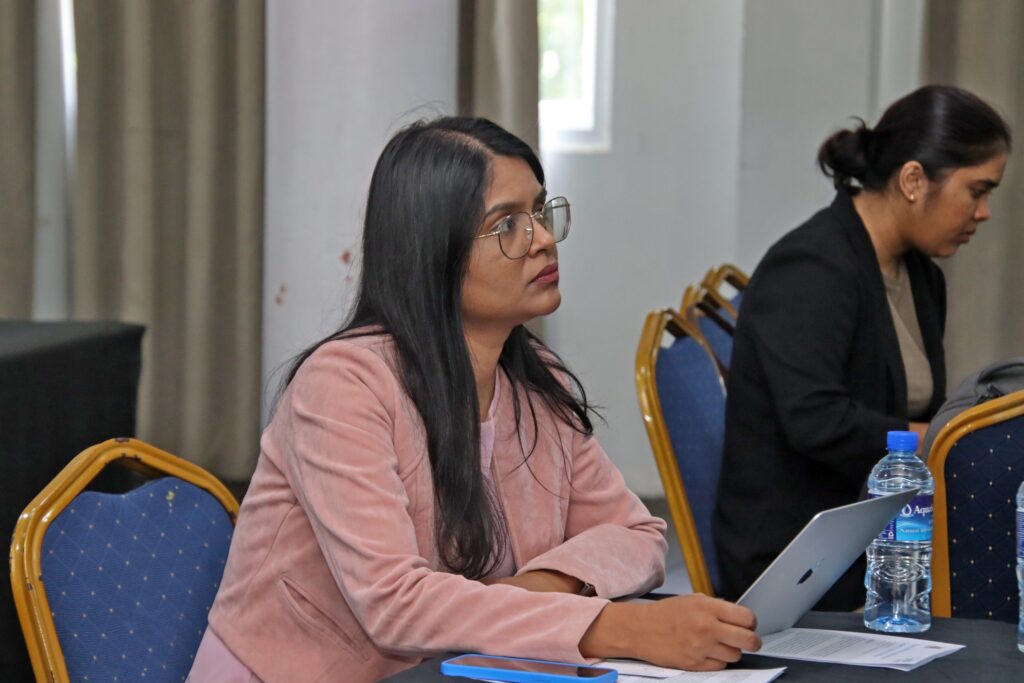
The workshop held yesterday in Suva brought together senior officials from key Government Ministries and agencies, marking a significant milestone in Fiji’s transition from commitment to action on assessing implementation gaps of the Agreement.
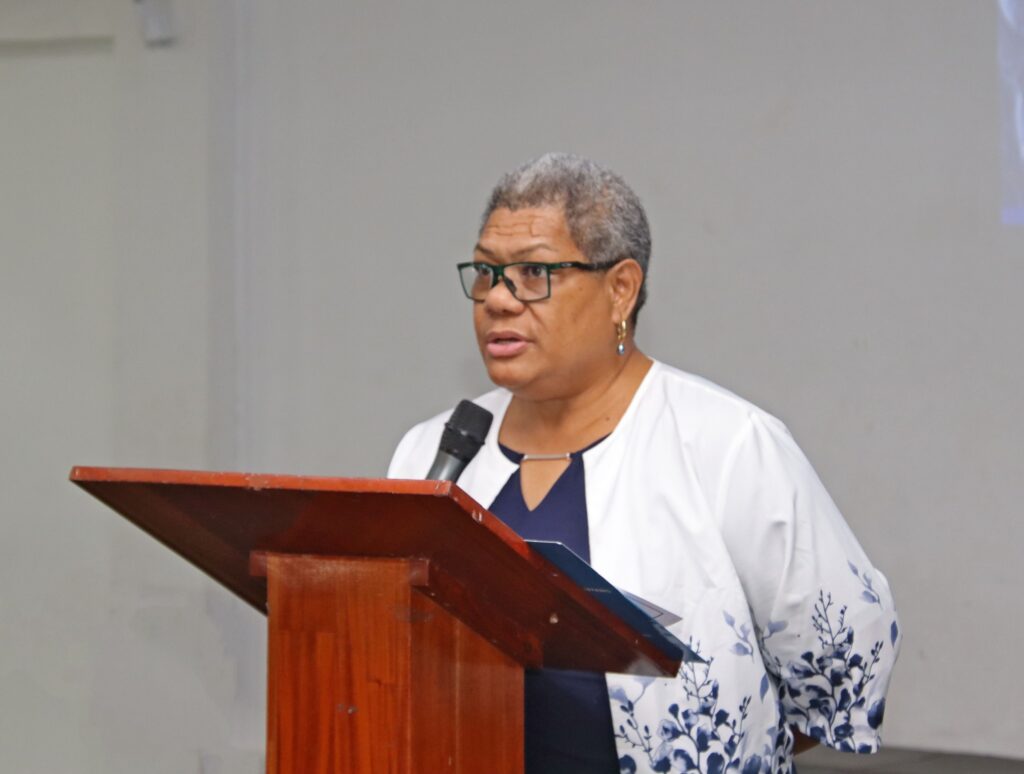
In her opening remarks, the Permanent Secretary for Foreign Affairs and External Trade, Dr. Raijeli Taga, underscored the importance of the Agreement, noting that it seeks to eliminate subsidies contributing to illegal, unreported, and unregulated (IUU) fishing, subsidies targeting overfished stocks, and those supporting unregulated high-seas fishing.
Dr. Taga said that the effective implementation of this Agreement is essential as Fiji’s economy, and food security are deeply connected to the ocean, and the aim is to safeguard our fisheries, reinforce Fiji’s Blue Pacific leadership, and protect the livelihoods of future generations.
Further, Dr Taga expressed her appreciation to all stakeholders for their valuable contributions and reaffirmed the Ministry’s commitment to continued collaboration in strengthening Fiji’s sustainable fisheries management and trade environment.
Fiji’s work in preparing the Gap Analysis Report has been supported through the Canadian Trade and Investment Facility for Development (CTIF), with the International Institute for Sustainable Development (IISD) serving as the technical partner. This assistance has enabled Fiji to undertake a comprehensive self-assessment and compile a Gap Analysis Report.
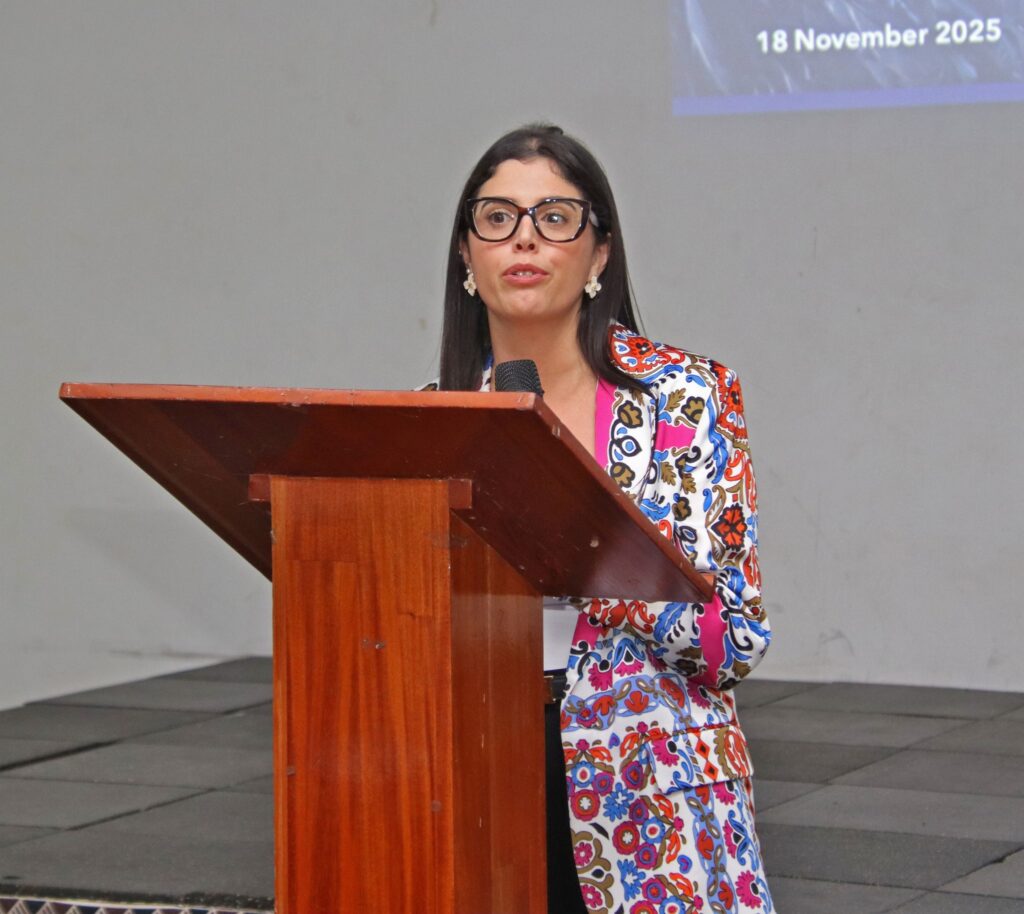
The High Commissioner of Canada to Fiji, Her Excellency Jennifer Lalonde in her remarks, reflected on the strong partnership between Canada and Fiji in advancing sustainable oceans management, emphasising that disciplined multilateral cooperation is essential for countries whose economies and communities rely heavily on marine resources.
The validated report will also guide Fiji’s preparation for the Category 2 funding proposal to the WTO Fisheries Funding Mechanism (Fish Fund), which is expected to be submitted in early 2026. The self-assessment will play a central role in shaping this proposal, ensuring that the identified gaps and priorities are accurately reflected. The proposal will support key reforms, including strengthening data systems, enhancing monitoring and enforcement, improving inter-agency coordination, and undertaking necessary legislative adjustments.
Technical experts from the IISD have been working closely with Fiji’s key government agencies in recent months to map fisheries-related subsidies, review institutional arrangements, and assess the country’s readiness levels.